One of the most effective strategies for online business promotion is digital marketing. Today, people search on the internet before buying anything. Because of this, businesses use digital marketing to reach customers, build trust, and increase sales. You might not know where to begin if you are a newbie. You will learn everything in an easy-to-understand manner with the help of this detailed guide.
This article explains digital marketing from basic concepts to practical steps. You will discover how to arrange, create, and grow your web presence without feeling stressed.
What is Digital Marketing?
Digital marketing means promoting products or services using the internet. It includes websites, social media, search engines, email, and online ads. Businesses use these channels to connect with people online.
For example:
- A company running ads on Google
- A brand posting on Instagram
- A blog ranking on search engines
- An email newsletter sent to customers
All these activities are part of digital marketing. The goal is simple: reach the right audience and turn them into customers.
Why Digital Marketing is Important
Digital marketing helps businesses grow faster. It is cheaper than traditional marketing like TV or newspapers. It also allows better tracking and targeting.
Main benefits include:
- Reach a global audience
- Low marketing cost
- Better targeting of customers
- Measurable results
- Improved brand awareness
- More leads and sales
Because of these benefits, beginners should learn digital marketing step by step.
Step 1: Understand Your Goal
Before starting digital marketing, you need clear goals. Ask yourself:
- Do you want website traffic?
- Do you want leads?
- Do you want sales?
- Do you want brand awareness?
Clear goals help you choose the right strategy. For example, if your goal is traffic, SEO and content marketing work well. Paid advertising might be more effective if sales are your main objective.
Always define your goal first. This is the foundation of digital marketing.
Step 2: Identify Your Target Audience
The next stage in digital marketing is to determine the audience you are targeting. You need to know who you are targeting.
Ask these questions:
- What is their age?
- What problems do they face?
- What platforms do they use?
- What type of content do they like?
For example, students may use Instagram more, while professionals use LinkedIn. When you understand your audience, your digital marketing becomes more effective.
Step 3: Build a Website
A website is the center of digital marketing. It acts like your online office.
Your website should include:
- Home page
- About page
- Services page
- Blog section
- Contact page
A clean and mobile-friendly website improves user experience. Beginners can create a site using WordPress. A professional website increases trust and supports all digital marketing efforts.
You can See my website for reference so you can understand what type of website you should create. Click Here
Step 4: Learn Search Engine Optimisation (SEO)
SEO is a key part of digital marketing. It helps your website appear on search engines.
Basic SEO steps include:
- Use relevant keywords
- Write helpful content
- Optimise titles and headings
- Improve website speed
- Add internal links
- Optimise images
SEO takes time, but it brings long-term traffic. Beginners should focus on basic SEO first.
Step 5: Start Content Marketing
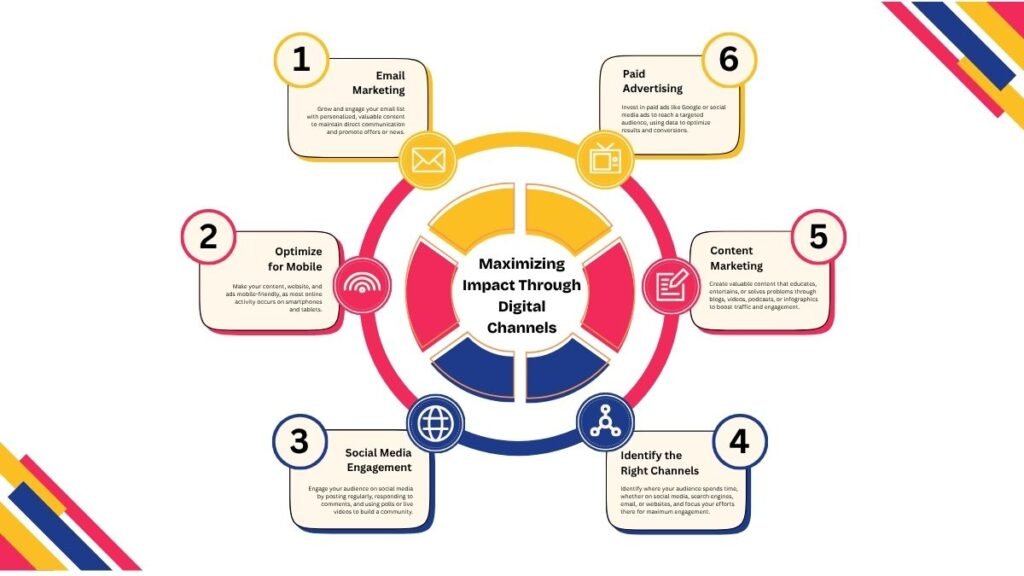
The goal of content marketing is to provide your audience with useful information.. It is a strong pillar of digital marketing.
Examples of content:
- Blog posts
- Guides
- Tutorials
- Videos
- Infographics
Good content answers questions and solves problems. When people find value, they trust your brand. This trust improves digital marketing results.
Step 6: Use Social Media Marketing
Social media platforms are important in digital marketing. They help connect with users directly.
Popular platforms include:
- TikTok
Start with one or two platforms. Post regularly and engage with followers. Social media helps build brand awareness and drive traffic.
Step 7: Learn Email Marketing
Email marketing is another powerful digital marketing method. It helps you communicate with your audience.
Steps for beginners:
- Collect email addresses
- Offer free content
- Send newsletters
- Share updates
- Promote services
Email marketing builds long-term relationships. It also improves conversions.
Step 8: Try Paid Advertising
Paid ads give faster results in digital marketing. You can run ads on:
- Google Ads
- Facebook Ads
- Instagram Ads
- YouTube Ads
Start with a small budget. Test different ads and measure results. Paid advertising helps generate quick leads.
Step 9: Create a Digital Marketing Strategy
A strategy helps organize your digital marketing efforts. It includes:
- Goals
- Audience
- Platforms
- Content plan
- Budget
- Timeline
A simple plan keeps your work structured. Beginners should start with a basic strategy.
Step 10: Use Analytics and Tracking
Tracking is important in digital marketing. It shows what works and what does not.
Use tools like:
- Google Analytics
- Search Console
- Social media insights
Check:
- Website traffic
- User behaviour
- Conversion rate
- Top pages
Data helps improve your marketing performance.
Step 11: Focus on Lead Generation
Lead generation is a key goal it means collecting potential customers.
- Ways to generate leads:
- Contact forms
- Free downloads
- Email sign-ups
- Landing pages
- Free consultation offers
These methods help convert visitors into customers.
Step 12: Optimise for Mobile Users
Most users browse on mobile devices. Your digital marketing strategy should focus on mobile optimisation.
Make sure:
- Website is responsive
- Text is readable
- Buttons are clickable
- Images load fast
Mobile-friendly design improves user experience.
Step 13: Build Trust and Authority
Trust is important in the era of social media. Users prefer reliable websites.
Ways to build trust:
- Share accurate information
- Add testimonials
- Use secure website (HTTPS)
- Show contact details
- Link to official sources
Authority improves ranking and credibility.
Step 14: Create a Content Schedule
Consistency is key in everything. Create a posting schedule.
Example:
- 2 blog posts weekly
- 3 social media posts weekly
- 1 email monthly
Regular posting improves engagement and visibility.
Step 15: Improve User Experience
User experience affects digital marketing success.
Improve UX by:
- Fast loading pages
- Simple navigation
- Clear headings
- Clean design
- Easy contact options
Better UX increases conversions.
Step 16: Learn Basic Marketing Funnel
A funnel shows customer journey in marketing.
Stages include:
- Awareness
- Interest
- Decision
- Action
Your content should guide users through these stages.
Step 17: Use Long-Tail Keywords
Long-tail keywords help beginners. They have lower competition.
Example:
- digital marketing for beginners
- digital marketing strategy for small business
- digital marketing step by step
Use them naturally in content.
Step 18: Monitor Competitors
Competitor analysis improves marketing strategy.
Check:
- Their content
- Keywords
- Social media
- Ads
Learn from their strengths and improve your own approach.
Step 19: Improve Conversion Rate
Traffic is important, but conversions matter more.
Improve conversions by:
- Clear call-to-action
- Simple forms
- Trust signals
- Good design
- Fast loading
Small changes can increase results.
Step 20: Keep Learning and Improving
Digital marketing changes frequently. New tools and trends appear. Beginners should keep learning.
Follow:
- Marketing blogs
- Online courses
- Tutorials
- Industry updates
Continuous learning helps you grow.
Common Mistakes Beginners Should Avoid
Avoid these mistakes in digital marketing:
- No clear goal
- Posting without strategy
- Keyword stuffing
- Ignoring SEO
- Not tracking results
- Inconsistent posting
Fixing these mistakes improves performance.
Simple Digital Marketing Plan for Beginners
Here is a basic plan:
- Create website
- Do keyword research
- Write blog content
- Share on social media
- Collect emails
- Track performance
- Improve strategy
This simple plan helps beginners start digital marketing effectively.
Final Thoughts
Digital marketing is not difficult when you follow steps. Start small and stay consistent. Focus on helpful content and user experience. Track results and improve regularly.
Beginners should learn one skill at a time. With practice, digital marketing becomes easier. This step-by-step guide provides a strong foundation. Follow these steps and grow your online presence successfully.